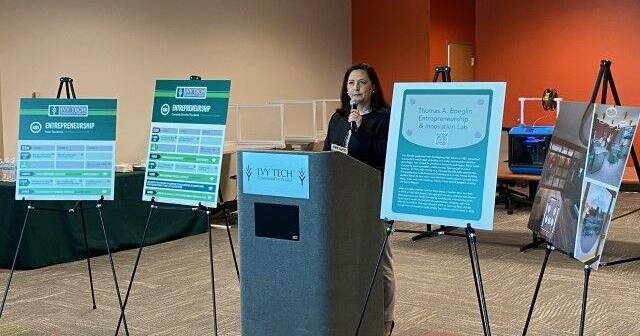
For many Indiana residents, higher education feels out of reach—too expensive, too time-consuming, or too disconnected from real jobs. Ivy Tech Community College Indiana changes that equation. With over 40 statewide locations, it’s the largest public community college in the state, built specifically to bridge the gap between education and employment. It’s not about prestige or ivy-covered walls—it’s about practical skills, affordability, and pathways to careers that actually exist in today’s economy.
Unlike traditional universities, Ivy Tech focuses on immediacy. Students can earn credentials in months, not years. Programs align directly with Indiana’s workforce needs—from nursing and cybersecurity to advanced manufacturing and IT support. For working adults, career changers, or recent high school graduates, this model offers an escape from the student debt trap and a direct line into stable, in-demand jobs.
What Makes Ivy Tech Community College Indiana Different?
Ivy Tech isn’t trying to mimic four-year universities. Its mission is distinct: meet Hoosiers where they are and launch them into careers fast. That means shorter programs, lower tuition, and a curriculum designed with input from local employers.
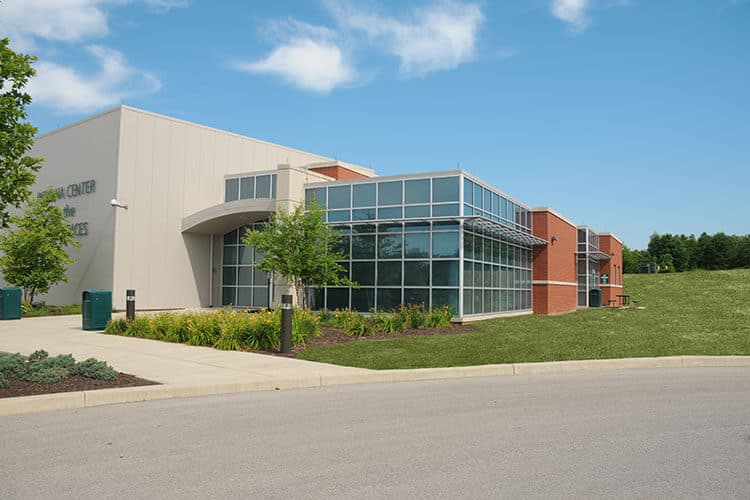
One of the most significant differentiators is its scale and accessibility. With campuses in cities like Indianapolis, Fort Wayne, South Bend, Evansville, and Terre Haute, plus robust online options, geographic barriers are minimized. You don’t need to relocate or uproot your life. Tuition averages around $104 per credit hour for in-state students—less than half the cost of most public universities.
But affordability alone doesn’t explain its impact. What sets Ivy Tech apart is its integration into Indiana’s economic ecosystem. The college partners with companies like Eli Lilly, Cummins, and Salesforce to shape curriculum, host apprenticeships, and funnel graduates into open positions. This employer-led design ensures students aren’t just learning theory—they’re gaining the exact skills employers need now.
Popular Career Programs That Deliver Results
Ivy Tech doesn’t offer hundreds of majors. Instead, it focuses on high-demand fields where job placement rates are strong. These programs are built for speed, relevance, and certification.
Nursing and Health Sciences The Associate Degree in Nursing (ADN) is one of Ivy Tech’s most competitive and respected programs. Graduates qualify to take the NCLEX exam and become registered nurses. With clinical rotations at hospitals across Indiana, students gain real patient care experience. The program often fills within hours of registration opening—proof of its reputation.
Information Technology and Cybersecurity In an era of digital threats, Ivy Tech’s IT programs are critical. Students can earn certificates or degrees in cybersecurity, network administration, and cloud computing. Pathways align with certifications like CompTIA A+, Network+, and Security+, which are often embedded in the curriculum. Many graduates land roles as IT support specialists or security analysts within months.
Advanced Manufacturing and Engineering Technology Indiana’s manufacturing sector employs hundreds of thousands. Ivy Tech prepares students for roles in CNC machining, robotics, and industrial maintenance. Labs are outfitted with industry-standard equipment, and partnerships with companies like Subaru and Rolls-Royce provide apprenticeship pipelines.
Business and Supply Chain Management With Indianapolis a logistics hub, Ivy Tech offers practical business programs emphasizing supply chain operations, project management, and entrepreneurship. Courses include case studies from local companies and simulations using real-world data.
Public Safety and Fire Science For those aiming for roles in law enforcement, firefighting, or emergency medical services, Ivy Tech provides accredited training. Many programs include state certification upon completion, cutting months off the traditional licensing process.
How to Enroll: A Realistic Walkthrough
Enrolling at Ivy Tech is designed to be straightforward—but common missteps can delay start dates.
- Start with the Right Program
- Don’t just pick “General Studies” because you’re unsure. Use Ivy Tech’s Career Compass tool to explore interests and match them to programs with strong job outlooks.
- Complete the Application
- The online application is free. You’ll need your Social Security number, high school or GED details, and contact information.
- Submit Transcripts
- Even if you’re a returning adult, transcripts are required. If your high school no longer exists, contact the Indiana Department of Education for alternatives.
- Apply for Financial Aid (FAFSA)
- Over 70% of Ivy Tech students receive some form of aid. Complete the FAFSA (school code: 007171). Pell Grants, Indiana’s Frank O’Bannon Grant, and work-study programs are available.
- Take the Accuplacer Exam (or Skip It)
- Many students can bypass placement testing with recent SAT/ACT scores or prior college credit. If testing is needed, it covers math and English. Free prep resources are available online.
- Attend New Student Orientation
- This isn’t a formality. You’ll meet advisors, learn how to use the student portal, and register for classes. Skipping it can mean missing key enrollment deadlines.
A common mistake? Waiting too long to apply for selective programs like nursing or radiologic technology. These have limited seats and require additional applications, background checks, and immunizations. Start the process at least six months in advance.
Transferring Credits to Four-Year Universities
One of Ivy Tech’s underused advantages is its transfer pathways. If you're considering a bachelor’s degree later, Ivy Tech has articulation agreements with over 30 Indiana colleges, including Indiana University, Purdue University, and University of Southern Indiana.
For example: - An Associate of Science in Computer Science at Ivy Tech transfers directly into Purdue’s BS program. - The Associate of Arts degree fulfills general education requirements at IU, meaning students start junior year without losing credits.
But transfer success depends on planning. Not all credits transfer equally. Students aiming to transfer should: - Work with an Ivy Tech transfer advisor early - Stick to courses that map to their target university’s requirements - Avoid technical certificates if the goal is a four-year degree
Many students use Ivy Tech to complete the first two years at a fraction of the cost, then transfer—saving $20,000 or more.
Online and Hybrid Learning: Flexibility Without Compromise
Ivy Tech isn’t just brick-and-mortar. Over 50% of students take at least one online course. The online experience is structured—not self-paced. Classes follow a semester schedule with weekly assignments, discussion boards, and instructor feedback.
Programs fully available online include: - Business Administration - Cybersecurity - Human Services - General Studies
Hybrid options blend online learning with hands-on labs—common in nursing, automotive, and welding programs. This model works well for working adults who need to maintain a job while studying.
Technical support is available 24/7, and students get access to virtual tutoring, library resources, and career coaching. The learning platform (Canvas) is intuitive, but first-time users should complete the “Online Learning Orientation” module to avoid early confusion.
Workforce Training and Employer Partnerships
Ivy Tech doesn’t just serve individual students—it’s a workforce engine for Indiana. Through its Corporate College division, it delivers custom training for employers, from onboarding programs to leadership development.
Examples: - A manufacturing plant facing a skilled labor shortage partners with Ivy Tech to design a 12-week CNC training bootcamp. - A hospital collaborates on a certified nursing assistant (CNA) program with guaranteed interviews upon completion.

These programs often come at no cost to employees—funded by state grants or employer investment. For individuals, short-term training (6–16 weeks) leads to industry-recognized credentials in fields like: - Phlebotomy - Commercial driving (CDL) - HVAC - Pharmacy technician
Many of these programs qualify for Indiana’s Workforce Ready Grant, which covers tuition for high-demand fields if you’re under 30 or a veteran.
Student Support Services That Actually Work
Too many colleges offer support that’s hard to find or slow to respond. Ivy Tech has streamlined access.
Key services include: - Academic Advising – Assigned advisors help with course selection, career planning, and transfer prep. - Tutoring – Free in-person and online tutoring in math, writing, and science. - Career Services – Resume reviews, mock interviews, job fairs, and access to Handshake (a job board with Indiana employers). - Childcare Assistance – Limited on-site childcare at select campuses, plus referrals and subsidies. - Food Pantries – Nearly half of Ivy Tech campuses host food pantries for students facing food insecurity.
One standout is the Single Stop program, which helps students access public benefits (SNAP, Medicaid, childcare subsidies) through a simple screening process. This removes off-campus barriers that derail many low-income students.
Realistic Challenges and How to Overcome Them
Ivy Tech isn’t a magic fix. Completion rates hover around 40%—a reality shared by most community colleges. The biggest hurdles? Time management, motivation, and underestimating academic rigor.
Common pitfalls: - Underestimating workload – Even online classes require 6–8 hours per week per course. Students working full-time often overcommit. - Missing financial aid deadlines – FAFSA renewals are annual. Missing the deadline means no aid for that term. - Poor course sequencing – Taking classes out of order can delay graduation by semesters.
Solutions: - Start with one or two classes if returning to education after a break. - Use the myIvy app to track deadlines, grades, and advisor appointments. - Join a student success program like ACE (Academic Champions for Excellence) for peer mentoring.
The Bottom Line: Who Should Attend Ivy Tech?
Ivy Tech Community College Indiana is ideal for: - High school grads who want to start college affordably - Adults looking to reskill for a better-paying job - Workers seeking certifications to advance - Students planning to transfer to a four-year university
It’s not ideal for those seeking a traditional campus experience with dorms, football games, and Greek life. This is a college built for results, not rituals.
For Indiana residents, Ivy Tech represents one of the most practical investments in upward mobility available. With the right mindset and planning, it’s a launchpad—not just a fallback.
FAQs
What is the acceptance rate at Ivy Tech Community College Indiana? Ivy Tech has an open admissions policy. If you have a high school diploma or GED, you’re eligible to enroll.
Can I transfer from Ivy Tech to Purdue or IU? Yes. Ivy Tech has formal transfer agreements with both schools. Many programs allow seamless transfer of credits.
How much does it cost to attend Ivy Tech per semester? Full-time tuition (12 credit hours) is approximately $1,250 per semester for in-state students.
Are Ivy Tech degrees respected by employers? Yes, especially in technical and healthcare fields. Many Indiana employers actively recruit from Ivy Tech.
Do I need to take placement tests to enroll? Not always. You can bypass testing with qualifying SAT, ACT, or prior college credit.
What online programs are available? Popular online options include Business, Cybersecurity, Human Services, and General Studies.
Is financial aid available for short-term workforce programs? Yes. Many qualify for the Indiana Workforce Ready Grant or federal aid if the program is credit-bearing.
FAQ
What should you look for in Ivy Tech Community College Indiana: Your Path to Career Success? Focus on relevance, practical value, and how well the solution matches real user intent.
Is Ivy Tech Community College Indiana: Your Path to Career Success suitable for beginners? That depends on the workflow, but a clear step-by-step approach usually makes it easier to start.
How do you compare options around Ivy Tech Community College Indiana: Your Path to Career Success? Compare features, trust signals, limitations, pricing, and ease of implementation.
What mistakes should you avoid? Avoid generic choices, weak validation, and decisions based only on marketing claims.
What is the next best step? Shortlist the most relevant options, validate them quickly, and refine from real-world results.