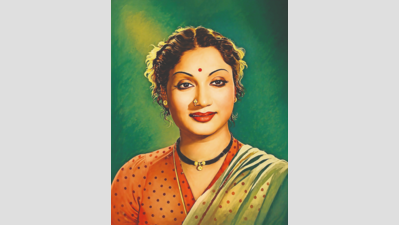
She didn’t just act—she erupted. Onscreen, G Varalakshmi commanded attention with a ferocity uncommon for her era. Offscreen, she lived by her own code, refusing to bow to studio pressures, societal expectations, or the polite constraints expected of women in mid-20th century India. Dubbed “rowdy” not for violence, but for her unapologetic defiance, G Varalakshmi wasn’t merely an actress—she was a cultural insurgent.
While many of her contemporaries played demure heroines or tragic figures bound by tradition, Varalakshmi carved a niche with roles that simmered with rebellion, wit, and raw emotional power. Her performances didn’t fit the mold—they broke it. And in doing so, she redefined what it meant to be a leading woman in Indian cinema.
The Making of a Maverick
Born in the early 1920s in Andhra Pradesh, G Varalakshmi’s journey into the film world was anything but conventional. At a time when acting was considered a disreputable profession for women—especially those from respectable families—she stepped into the industry with a quiet determination that soon turned into loud headlines.
Her entry wasn’t backed by connections or wealth. Instead, it was her voice—rich, resonant, and commanding—that first caught attention. She began as a stage performer, where her ability to inhabit strong, complex female characters stood out. Unlike the typical romantic leads of the time, Varalakshmi gravitated toward roles with moral ambiguity, political undertones, and fierce independence.
By the time she entered Telugu and Tamil cinema in the 1940s, she wasn’t auditioning for approval. She was asserting her presence.
Practical Example: In Vara Vikrayam (1939), one of her earliest significant roles, she played a woman sold into marriage—a direct critique of the dowry system. The film faced backlash from conservative groups, but Varalakshmi’s performance was lauded for its emotional honesty and social courage.
Why "Rowdy" Was a Badge of Honor
The label "rowdy actress" followed G Varalakshmi throughout her career—not because she was disruptive in a chaotic sense, but because she challenged the status quo relentlessly. She spoke openly about unequal pay, resisted typecasting, and often clashed with directors who wanted her to soften her onscreen persona.
In a 1952 interview, when asked why she played so many defiant characters, she responded: > “Because real women are not silent. They fight, they question, they survive. Why should our stories be any different?”
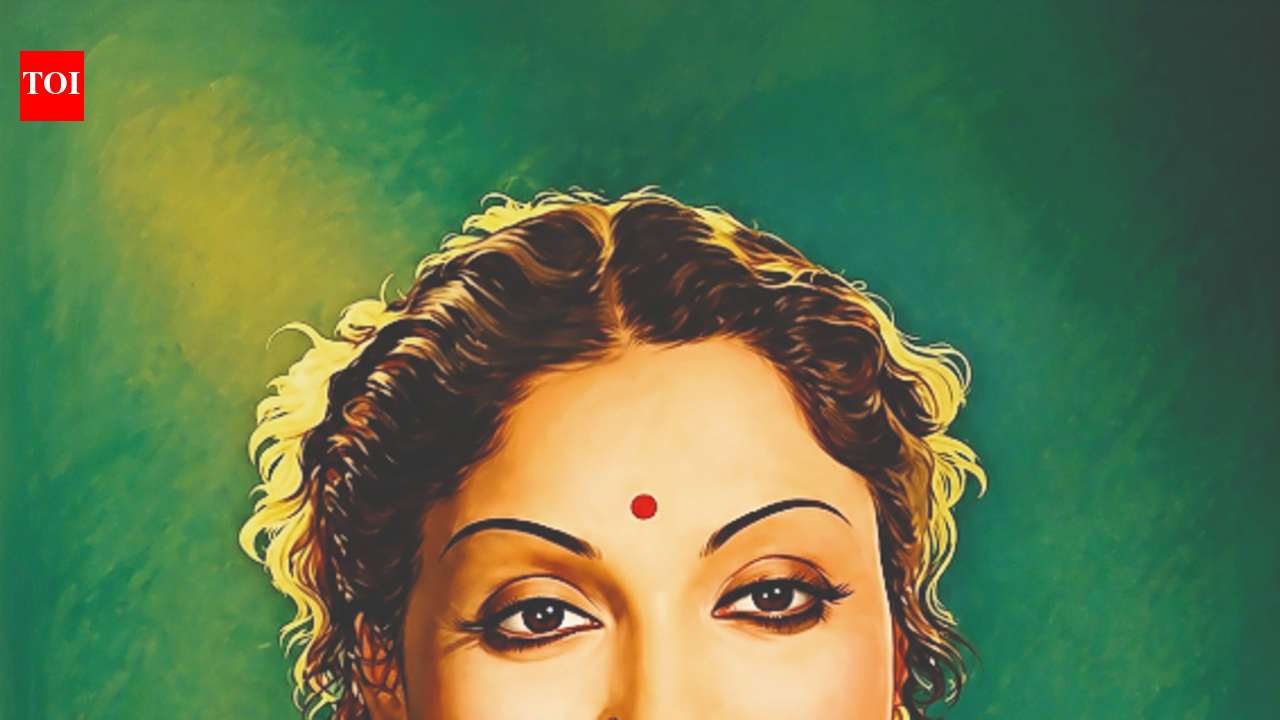
This attitude earned her both admiration and notoriety. Studios hesitated to cast her in traditional romantic roles, but independent filmmakers and socially conscious directors sought her out. She became the go-to actress for narratives centered on women’s rights, caste inequality, and political resistance.
Common Mistake: Many assume her "rowdiness" was performative or attention-seeking. In reality, it was rooted in lived experience—she had faced financial hardship, familial disapproval, and professional sabotage, yet refused to be silenced.
Breaking the Mold in Classic Cinema
Varalakshmi’s filmography is a masterclass in subversion. At a time when female characters were often reduced to symbols of purity or suffering, she portrayed women who were flawed, ambitious, and unapologetically vocal.
Iconic Roles That Defied Convention
- Lakshmi in Malleswari (1937): While the film centered on a dutiful wife, Varalakshmi infused her character with quiet resistance—questioning patriarchal norms through subtle glances and layered dialogue delivery.
- Sarada in Chandraharam (1954): She played a courtesan with political acumen, using her influence to shape events behind the scenes—a radical departure from the typical "fallen woman" trope.
- Bhanumathi in Pelli Chesi Choodu (1952): In a satirical take on arranged marriage, she delivered biting monologues about autonomy, making audiences laugh and rethink social customs simultaneously.
Her performances were not just acting—they were acts of quiet rebellion. She used body language, pauses, and vocal modulation to convey dissent, often saying more in silence than others did in monologues.
Workflow Tip: Modern actors studying character depth can learn from Varalakshmi’s use of restraint. Her power came not from volume, but from precision—every gesture had intent.
Defying Offscreen: A Life Beyond the Script
Varalakshmi’s defiance wasn’t limited to her roles. She was one of the first actresses in South India to form a labor union for female performers, advocating for better wages, safer working conditions, and creative input in storytelling.
She also refused to conform to the glamorous expectations of stardom. While other actresses wore elaborate jewelry and silk sarees off-camera, Varalakshmi was often seen in simple cottons, reading political pamphlets or attending socialist meetings. She openly supported the Telangana armed struggle and used her public platform to speak for land reform and peasant rights.
When studios threatened to blacklist her, she responded by producing her own films—rare for any actress at the time, let alone a woman working independently in a male-dominated industry.
Limitation: Her radical views limited her mainstream appeal in later years. Major production houses distanced themselves, and she found fewer opportunities in commercial cinema. Yet, she remained a cult figure among intellectuals and progressive filmmakers.
The Legacy of a Trailblazer

G Varalakshmi’s influence extends far beyond her filmography. She paved the way for future generations of bold actresses—from Shabana Azmi to Rituparna Sengupta to Keerthy Suresh—who embrace complex, socially relevant roles.
Her legacy is evident in today’s cinematic landscape, where strong female leads are no longer anomalies but expectations. The rise of feminist narratives in Telugu and Tamil cinema owes a quiet debt to pioneers like Varalakshmi, who proved that audiences would engage with women who think, resist, and lead.
Realistic Use Case: A 2021 Telugu film, Jyothi Lakshmi, drew direct inspiration from Varalakshmi’s life—portraying a dancer-activist who challenges local corruption. The director cited Varalakshmi as the “spiritual blueprint” for the character.
She also influenced casting trends. Today, filmmakers are more willing to cast women over 40 in lead roles, especially in stories involving social change—something Varalakshmi championed decades ago when she took on mature, powerful roles at a time when most actresses were sidelined after marriage.
Why Her Story Matters Now
In an era of #MeToo, pay equity debates, and calls for authentic representation, G Varalakshmi’s life reads like a roadmap. She didn’t wait for permission to demand respect. She didn’t soften her voice to be palatable. And she never separated art from activism.
Her journey reminds us that representation isn’t just about visibility—it’s about voice. It’s not enough to see women on screen; they must speak truths that unsettle, challenge, and inspire.
Modern creators can learn from her approach: - Refuse one-dimensional roles - Advocate for creative control - Use platform for social impact - Stay authentic, even when it’s inconvenient
Her career is a testament to the power of staying difficult in a system that rewards conformity.
Final Act: Stealing the Show, Then Walking Away
G Varalakshmi eventually stepped away from mainstream cinema, not due to failure, but by choice. She spent her later years mentoring young actresses, writing essays on cinema and gender, and living quietly in Chennai. She passed away in the 1990s, away from the spotlight—but never forgotten by those who value courage over comfort.
She didn’t win national awards. She wasn’t immortalized in glossy biopics. But in the hearts of those who believe in fearless storytelling, G Varalakshmi remains a legend.
To watch her films today is to witness rebellion in motion—calm, deliberate, and utterly unforgettable.
Actionable Closing: Watch Pelli Chesi Choodu or Chandraharam with attention to her dialogue delivery and physical presence. Note how she conveys authority without raising her voice. Then, ask yourself: who in today’s cinema carries that same quiet power?
Frequently Asked Questions
Who was G Varalakshmi? G Varalakshmi was a pioneering Telugu and Tamil actress known for her strong, rebellious roles and activism in mid-20th century Indian cinema.
Why was she called the "rowdy actress"? The term "rowdy" referred to her defiant personality and refusal to conform to industry norms, not criminal behavior. She challenged directors, studios, and social conventions.
What are some of her most famous films? Notable films include Malleswari, Pelli Chesi Choodu, Chandraharam, and Vara Vikrayam.
Did G Varalakshmi face backlash for her roles? Yes—her socially critical performances often drew criticism from conservative groups, and she was blacklisted by some studios for her political views.
How did she influence modern cinema? She paved the way for strong female leads, advocated for actresses' rights, and proved that socially conscious storytelling could resonate with audiences.
Was she involved in politics? Yes—she supported the Telangana armed struggle and land reform movements, often speaking at public rallies and funding progressive causes.
Is there a biography or documentary on her? While no major documentary exists, several academic papers and regional tributes have explored her life and impact, particularly in Telugu film studies.
FAQ
What should you look for in G Varalakshmi: The Rebel Actress Who Redefined Stardom? Focus on relevance, practical value, and how well the solution matches real user intent.
Is G Varalakshmi: The Rebel Actress Who Redefined Stardom suitable for beginners? That depends on the workflow, but a clear step-by-step approach usually makes it easier to start.
How do you compare options around G Varalakshmi: The Rebel Actress Who Redefined Stardom? Compare features, trust signals, limitations, pricing, and ease of implementation.
What mistakes should you avoid? Avoid generic choices, weak validation, and decisions based only on marketing claims.
What is the next best step? Shortlist the most relevant options, validate them quickly, and refine from real-world results.