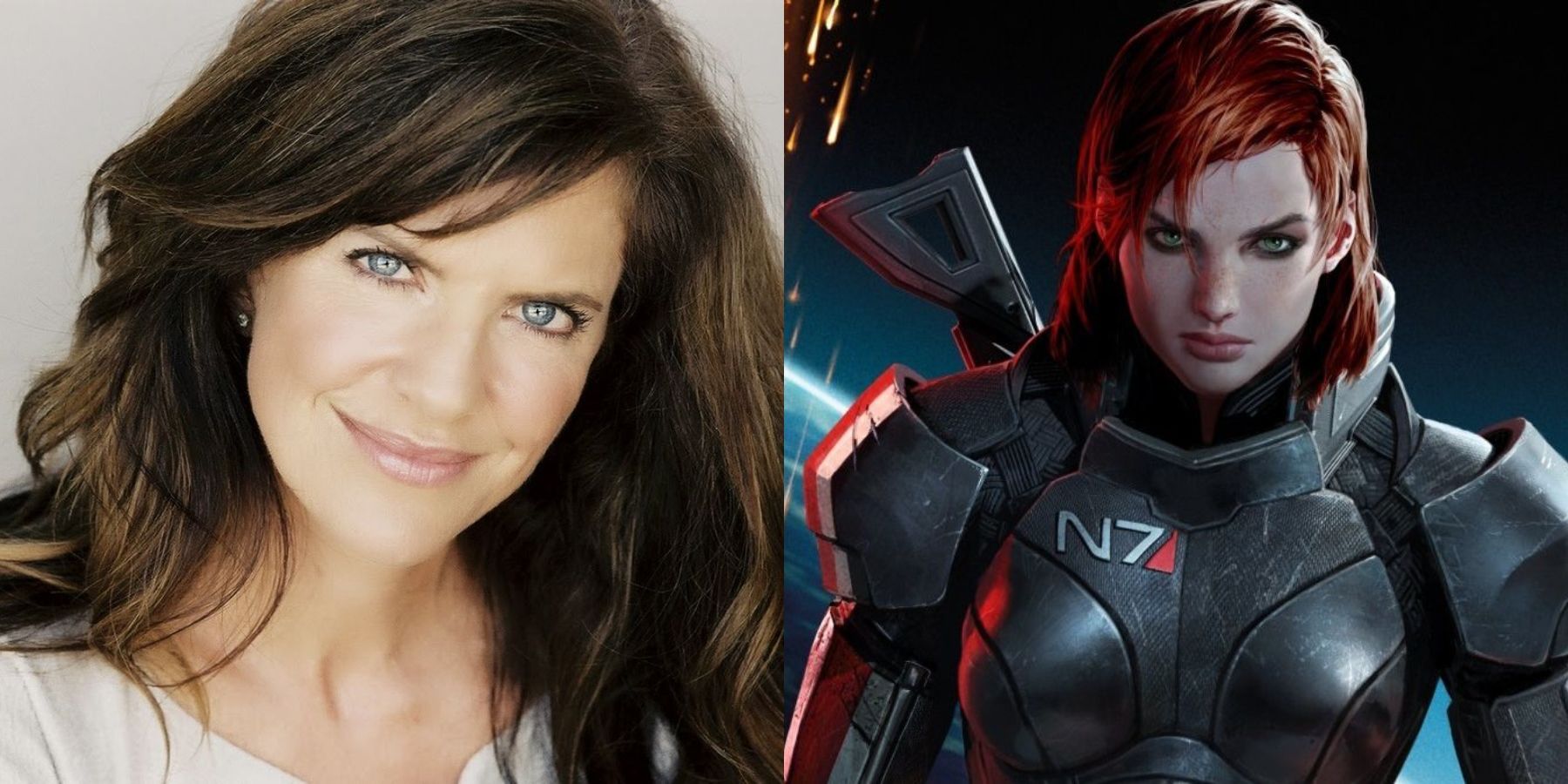
Few moments in gaming spark more heated debate than the return of a polarizing character—especially when that character’s choices once split a passionate fanbase in two. When a beloved franchise like Mass Effect reboots or revisits its legacy, every returning face carries weight. But when one of those faces belongs to a figure tied to one of the series’ most controversial arcs, the spotlight burns hotter.
That moment arrived when voice actor Bill Ratner—best known for voicing Captain Anderson in the original trilogy—offered candid insight into the return of a controversial character, reigniting fan discourse. While Anderson himself remains a widely respected figure, Ratner used his platform to comment on the broader implications of bringing back divisive characters, particularly those whose actions sparked outrage during the original trilogy’s release.
Though he didn’t name names outright, his remarks clearly allude to characters like Mordin Solus, Miranda Lawson, and especially the Paragon/Renegade morality system’s central flashpoint: the treatment of the genophage and the fate of the Krogan. Yet one character towers above the rest in controversy—the Illusive Man.
The Illusive Man: A Legacy of Moral Ambiguity
Few characters in Mass Effect elicit as strong or divided a reaction as the Illusive Man, voiced by Martin Sheen. A charismatic, calculating strategist, he positioned himself as a defender of humanity—even as his methods veered into unethical experimentation, manipulation, and alliance with the very Reapers the galaxy fought to destroy.
His return in Mass Effect: Andromeda and hinted revival in upcoming reboots has stirred tension. Fans remember his fall from idealistic visionary to Reaper-influenced puppet. To some, he represents necessary pragmatism. To others, he’s a cautionary tale of ego and corruption.
While Sheen hasn’t made recent public statements on reprising the role, Ratner’s comments opened the door for reflection: Should such characters return? And if so, how?
“It’s tricky,” Ratner noted in a 2023 interview. “You love playing these roles, but you also know they lit a firestorm. The Illusive Man wasn’t just a villain—he believed he was right. That’s what made him dangerous. And that’s why fans still argue about him.”
This duality—believing in one’s cause while committing monstrous acts—is core to the franchise’s narrative strength. But it also makes resurrection narratively risky.
Why Controversial Characters Matter in Storytelling
Controversial characters aren’t just plot devices—they’re mirrors. They reflect the tensions in our own world: security vs. freedom, progress vs. ethics, loyalty vs. morality.
In Mass Effect, characters like Miranda Lawson (a genetically engineered human loyal to a morally gray organization) or Mordin Solus (a scientist who helped perpetuate the genophage, then sought to redeem himself) force players to confront uncomfortable truths. Their returns aren’t just fan service—they’re narrative opportunities to explore unresolved arcs.
When actors engage with this controversy, they validate the depth of the story. Ratner’s acknowledgment of the fan backlash—without dismissing it—shows respect for player agency. After all, Mass Effect’s legacy is built on choices that still echo a decade later.
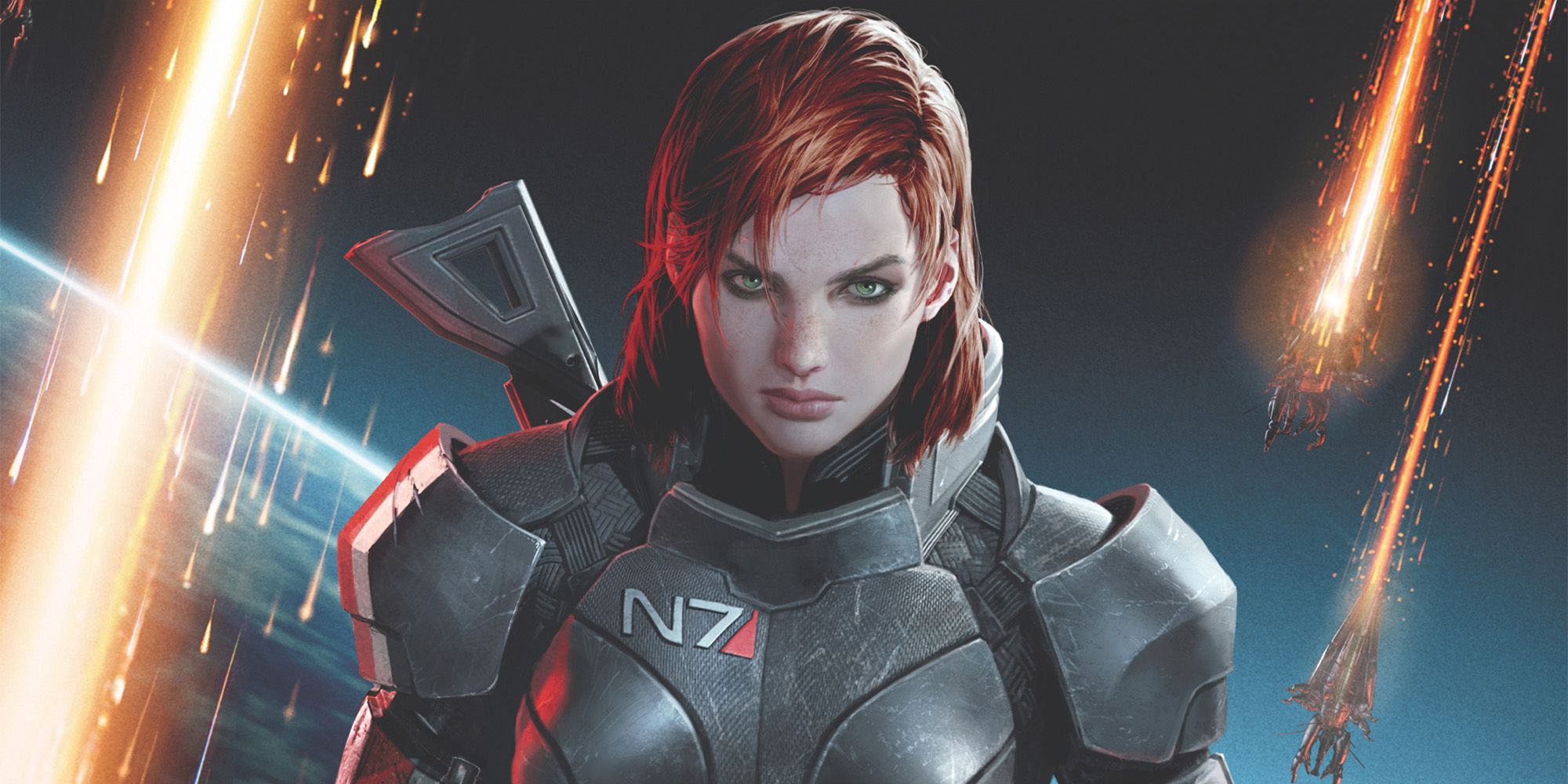
“People yelled at me in the grocery store after Mass Effect 3 came out,” Ratner joked. “Not because of Anderson—but because people thought he should’ve made the final call.”
That level of emotional investment is rare. And it’s why actors feel obligated to address the weight of these roles.
Fan Backlash and the Pressure to Re-Contextualize
When Mass Effect 3’s original ending was released, fans revolted. The controversy wasn’t just about the narrative—it was about agency. Players felt their choices didn’t matter. And controversial characters, especially those whose storylines ended ambiguously (like the Illusive Man), became lightning rods.
Now, with a new Mass Effect on the horizon, developers and actors alike face pressure to re-contextualize these figures. Should the Illusive Man be redeemed? Punished? Erased?
Actor responses reveal a nuanced understanding. In an archived Q&A, Freddy Bailey—who voiced various NPCs but worked closely with the main cast—commented:
“The beauty of these characters is that they’re not black and white. If we bring them back, we can’t just pretend the past didn’t happen. We have to sit with the discomfort.”
This echoes a broader trend in modern storytelling: accountability. Characters can return, but their past actions must have consequences. And actors, as the voices of these figures, are increasingly asked to justify their return.
Performance Capture and Emotional Weight
Modern Mass Effect games rely heavily on performance capture—merging voice, facial expression, and body language into a seamless character portrayal. This raises the stakes for actors playing controversial roles.
Take the case of a potential return for Mordin Solus, originally voiced by Michael Beattie. Mordin’s arc—culminating in a self-sacrificial song on Rannoch—is one of the most emotionally charged in the series. But his earlier work on the genophage remains ethically murky.
If Beattie or a new actor were to reprise the role, they wouldn’t just voice lines—they’d convey guilt, regret, and the burden of redemption. That emotional authenticity is critical.
“You can’t phone it in,” said voice director Masasa Moyo in a behind-the-scenes feature. “When a character comes back with baggage, the actor has to carry that weight in their tone, their breath, even their silence.”
This level of detail separates a shallow callback from a meaningful return.
Martin Sheen’s Silence and Fan Speculation
Despite Ratner’s openness, Martin Sheen has remained conspicuously silent on returning as the Illusive Man. At 83, the actor has scaled back his voice work, and no official casting announcements have been made.
Yet rumors persist. Leaks from Unreal Engine files, cryptic developer comments, and concept art showing a familiar silhouette in a high-back chair have fans convinced: he’s coming back.
And when he does, the narrative will have to contend with his fall from grace. Was he a victim of Reaper indoctrination? Or was he always willing to cross the line?
Actors understand this complexity. In a rarely cited 2012 interview, Sheen once remarked:
“He believes in humanity’s supremacy, but he’s losing himself to the very thing he claims to fight. That’s tragedy.”
If that tragedy is revisited, the performance will need to balance menace with pathos—something only a seasoned actor can deliver.
BioWare’s Balancing Act

BioWare faces a challenge: honor the past without being shackled by it. Bringing back controversial characters satisfies nostalgia, but risks alienating players who felt burned by previous decisions.
The studio’s approach seems to be one of layered redemption. Not forgiveness, but exploration. In Mass Effect: Andromeda, characters like Sloane Kelly (voiced by Fryda Wolff) echo the Illusive Man’s ideology—but with room for growth.
This suggests a pattern: controversial traits return, but in new vessels, allowing for evolved storytelling.
Still, nothing replaces the original. And fans want closure.
What a Return Could Look Like
A successful return of a controversial character depends on narrative honesty. Here’s what could work:
- The Illusive Man as a broken mentor—captured, haunted, but still persuasive.
- Miranda Lawson seeking redemption—facing consequences for her Cerberus ties.
- A holographic Mordin—offering guidance with full awareness of his past sins.
In each case, the actor’s performance must ground the fantasy. Their comments, interviews, and engagement with fans shape public perception as much as the script.
Ratner, for instance, continues to attend conventions—not just to sign autographs, but to listen. “People tell me their Shepards spared him, or killed him, or followed his orders,” he said. “And I realize—Anderson was just one piece. The player made the story.”
That humility is rare—and valuable.
Closing: The Human Element Behind the Pixels
The return of a controversial Mass Effect character isn’t just a plot decision—it’s an ethical one. And the actors who voice them are more than hired talent. They’re custodians of legacy.
When Bill Ratner speaks about fan anger, he doesn’t deflect. When Martin Sheen once described the Illusive Man as tragic, he elevated the role beyond villainy. These insights matter. They remind us that behind every synth-heavy soundtrack and laser blast, there are real people grappling with the weight of storytelling.
As the franchise moves forward, the actors’ voices—both on and off the mic—will shape how we remember, judge, and ultimately accept the characters we love to argue about.
For fans, the message is clear: engage with respect. For developers: listen to the actors. And for the performers: keep speaking up. Your words matter as much as the lines you deliver.
FAQ
Why is the Illusive Man so controversial in Mass Effect? He champions humanity’s survival but uses unethical means, including Reaper indoctrination, making his morality deeply ambiguous.
Has Martin Sheen confirmed returning as the Illusive Man? No official confirmation has been made, and Sheen hasn’t publicly commented on a return.
Did Bill Ratner play a controversial character? Ratner voiced Anderson, a widely respected figure, but he’s spoken about the broader impact of controversial characters in the series.
How do fan choices affect character returns? Player decisions in earlier games create multiple timelines, forcing writers to reconcile different outcomes when bringing characters back.
Can a controversial character be redeemed? Yes, but only with narrative accountability—past actions must have consequences for redemption to feel earned.
What role do voice actors play in shaping character perception? They humanize characters through tone and emotion, often influencing how fans interpret morally complex figures.
Will Mass Effect’s new game address past controversies? Early indications suggest it will acknowledge player history, though details remain under wraps.
FAQ
What should you look for in Mass Effect Actor Speaks on Controversial Character Return? Focus on relevance, practical value, and how well the solution matches real user intent.
Is Mass Effect Actor Speaks on Controversial Character Return suitable for beginners? That depends on the workflow, but a clear step-by-step approach usually makes it easier to start.
How do you compare options around Mass Effect Actor Speaks on Controversial Character Return? Compare features, trust signals, limitations, pricing, and ease of implementation.
What mistakes should you avoid? Avoid generic choices, weak validation, and decisions based only on marketing claims.
What is the next best step? Shortlist the most relevant options, validate them quickly, and refine from real-world results.