Some characters leave a mark not because they’re beloved—but because they’re debated. In the Mass Effect universe, few figures draw sharper criticism or more polarized reactions than certain fan-divisive roles. Recently, one actor behind such a character broke silence, addressing years of backlash and opening the door to a possible return.
This isn’t just about nostalgia or fan service. It’s about the complex relationship between performers, their creations, and audiences that feel personally invested in fictional arcs. The comments reveal deeper tensions in modern gaming: where player agency, studio decisions, and character writing collide.
Here’s what the actor said—and why it matters for the future of Mass Effect.
The Character That Divided a Fandom
Few franchises have built such a passionate, enduring community as Mass Effect. But within that loyalty lies fault lines—and one character consistently sits at the epicenter of controversy.
We’re referring to Kai Leng.
Introduced in Mass Effect 3 as a human operative aligned with Cerberus, Leng was positioned as a foil to Commander Shepard. Fast, agile, and ideologically opposed, he represented a darker mirror to the player’s journey. But instead of earning respect, he drew ire.
Fans criticized him for:
- Narrative contrivances: His ability to consistently outmaneuver Shepard—despite no clear reason for his superiority.
- Tonal dissonance: His exaggerated portrayal clashed with Mass Effect’s grounded, character-driven tone.
- Unearned presence: Replacing fan-favorite characters in key missions, including a pivotal showdown on Rannoch.
Over time, Kai Leng became symbolic—a shorthand for Mass Effect 3’s perceived missteps in pacing, character arcs, and ending controversy.
Yet, someone had to bring him to life.
The Actor Behind the Backlash
That someone is Travis Willingham.
Known across gaming and animation for roles like Thor in Avengers Assemble and Rhys in Tales from the Borderlands, Willingham brought physicality and vocal intensity to Kai Leng. But unlike many roles, this one came with a cost: sustained online criticism.
In a recent interview at PAX East, Willingham reflected on the character’s reception: > “I’ve played heroes, villains, and everything in between. But Kai Leng? He’s the one people remember most—usually to tell me how much they hate him. And honestly? That’s kind of a win.”
He didn’t dismiss the critiques. Instead, he acknowledged the narrative shortcomings while defending the character’s intent:
“He wasn’t supposed to be likable. He was supposed to be a thorn in Shepard’s side—a reminder that not every conflict ends in diplomacy or honor. But I get it. When you spend 90 hours building your Commander, only to have someone like Leng slip past you, it feels personal.”
Willingham emphasized that actors often have little control over how a character is written or integrated. Performance is only one layer.
Why Fan Backlash Hits Actors
Gaming has evolved. Characters aren’t just pixels or scripts—they’re embodied by real performers through motion capture, voice work, and public appearances. That blurs the line between actor and avatar.
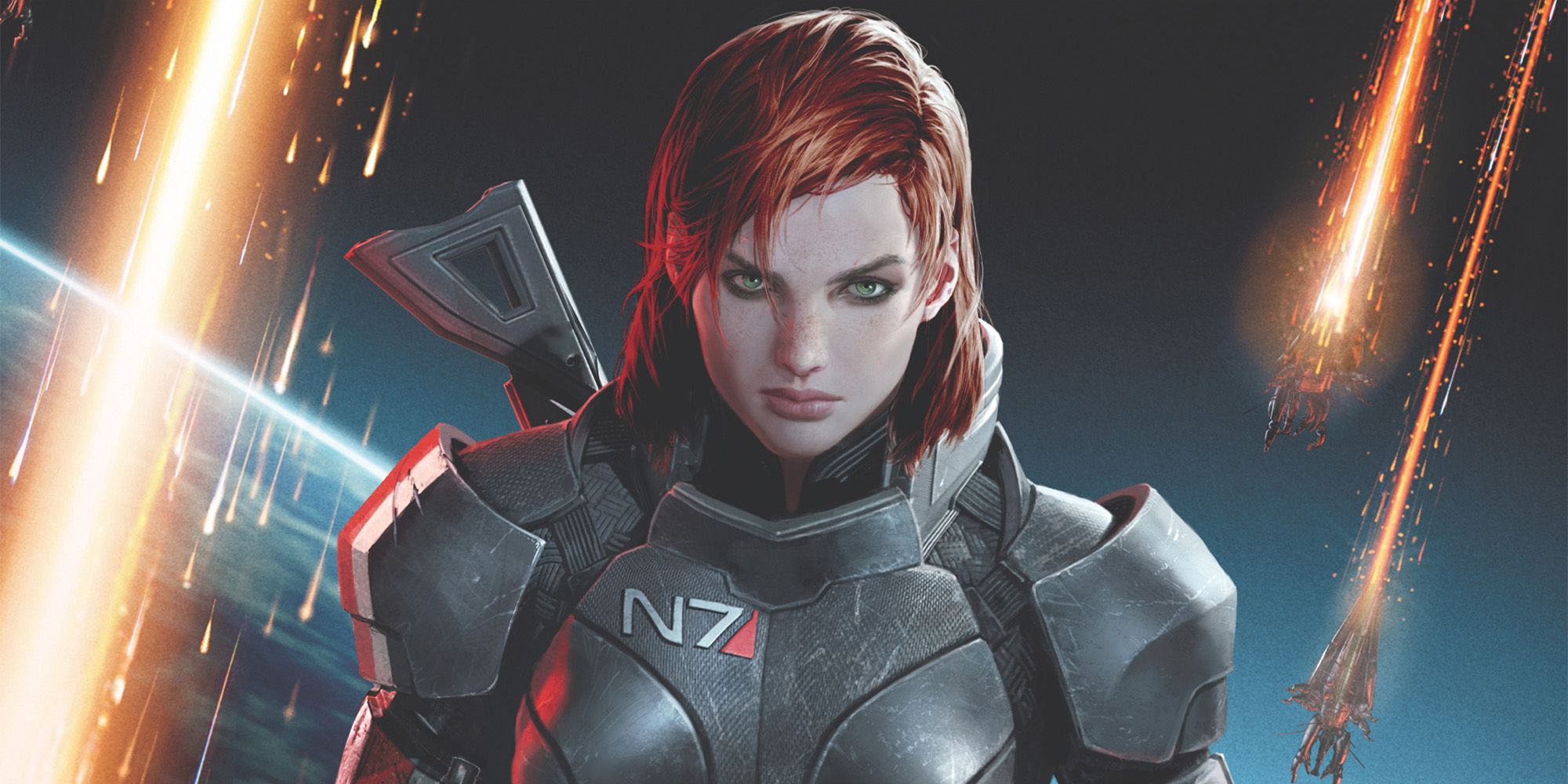
When a character becomes controversial, the backlash doesn’t stop at the writers’ room.
Actors like Willingham absorb real-world heat, even when they’re not responsible for story decisions. It’s a side effect of the industry’s shift toward performance-driven narratives.
Common patterns in fan-actor tension include:
- Conflating actor with character: “I hate Kai Leng” becomes “I hate Travis Willingham,” despite zero personal connection.
- Misplaced accountability: Players frustrated with BioWare’s design choices vent at performers who executed the script.
- Permanence of digital roles: Unlike film or TV, game performances live forever in cutscenes, memes, and fan edits.
Willingham isn’t alone. Other voice actors—like Courtenay Taylor (who voices Jack) or Martin Sheen (the Illusive Man)—have faced similar dynamics. But Leng’s case is unique due to the volume and longevity of criticism.
Can a Hated Character Make a Comeback?
Willingham’s comments didn’t stop at reflection. He hinted at something more provocative: the possibility of Kai Leng’s return in future Mass Effect titles.
“If BioWare called tomorrow and said, ‘We want to redeem him—or destroy him properly’—I’d be first in line. Not every story ends in the first telling.”
This raises an essential question: Can a universally disliked character be reintegrated successfully?
Video game history offers mixed results.
Case Studies: Redemption of Divisive Characters
| Character | Franchise | Backlash | Redemption? | How It Worked |
|---|---|---|---|---|
| Jack (before ME3) | Mass Effect | Felt underdeveloped, overly edgy | Yes | ME3 gave her vulnerable moments, romantic arc, emotional payoff |
| Varric Tethras | Dragon Age | Seen as comic relief with little depth | Yes | Became franchise staple with narrative weight in Inquisition and The Veilguard |
| Mako | Gears of War | Criticized as token diversity | Mixed | Expanded role in Gears 5, but still polarizing |
| Kai Leng | Mass Effect | Criticized as plot device, unearned antagonist | Pending | No arc closure; potential remains |
Kai Leng lacks the gradual development these characters received. But his unresolved arc—working for Cerberus, surviving the Reaper War—leaves narrative doors open.
Potential paths for return:
- Redemption arc: Reveal he was under Reaper indoctrination or forced into Cerberus service.
- Tragic foil: Show the cost of his choices, contrasting with Shepard’s legacy.
- Legacy antagonist: Position him as a cautionary tale in a new trilogy focused on post-Reaper politics.
Willingham believes the key is context.
“You can’t just bring him back the same way. But if the story earns it—if we see the cost of his actions, the regret, the fallout—then maybe people stop seeing him as a plot hole and start seeing him as a person.”
The Limits of Actor Advocacy
Even with a willing performer, a character’s return depends on studio vision and fan appetite.
BioWare has remained silent on Kai Leng’s fate. But internal signals suggest a shift in philosophy.
Recent narratives—like the Andromeda reboot and the upcoming Mass Effect: Multiplayer Reborn rumors—show a focus on player agency, inclusivity, and narrative cohesion. Introducing a maligned character risks alienating segments of the fanbase.
Yet, ignoring unresolved threads also undermines continuity.

Three Conditions for a Successful Kai Leng Return
- Narrative Justification
- His return must serve the plot—not convenience. Maybe he’s in hiding, imprisoned, or part of a rogue human movement.
- Character Growth
- No more one-dimensional villainy. Show introspection, consequences, or even a reluctant alliance.
- Fan Engagement Strategy
- BioWare could release a comic, novella, or in-game dossier that gradually reintroduces him—letting players readjust before he appears on-screen.
Without these, even Willingham’s enthusiasm won’t shield the character from renewed backlash.
What This Means for Mass Effect’s Future
The actor’s comments aren’t just about one role. They reflect a broader evolution in how games handle legacy content.
As Mass Effect inches toward a new generation of storytelling—possibly a full reboot or legacy sequel—BioWare must navigate:
- Franchise continuity vs. fresh starts
- Fan service vs. narrative integrity
- Performance legacy vs. creative renewal
Willingham’s willingness to reprise Kai Leng shows that performers value long-term engagement with their roles—even the flawed ones.
But the real test is whether the writing can match that commitment.
The most memorable characters aren’t always the heroic ones. Sometimes, they’re the ones that make us angry, confused, or frustrated. And if handled with care, those characters can evolve into something richer.
Closing: Reckoning with the Unpopular
Controversial characters aren’t failures by default. They’re opportunities.
Kai Leng sparked debate because he disrupted expectations. That disruption can be a strength—if the story knows what to do with it.
Travis Willingham hasn’t disowned the role. Instead, he’s challenged fans and developers alike to see past the memes, the Reddit threads, the knee-jerk hate.
“He’s not the best character Mass Effect ever wrote,” Willingham admitted. “But he’s part of the story. And stories aren’t clean. They’re messy. They’re human.”
If the next chapter of Mass Effect embraces that messiness—with humility, craft, and purpose—then even the most divisive figures might find their place.
For players, the takeaway is this: Critique the writing, not the performer. And leave room for redemption—both for characters and the stories they inhabit.
What did Travis Willingham say about Kai Leng? He acknowledged the backlash but defended the character’s narrative purpose, calling the strong reactions a sign of engagement.
Why do fans dislike Kai Leng? Fans criticized his overpowered abilities, lack of development, and role in sidelining beloved characters during key missions.
Is Kai Leng coming back in a future Mass Effect game? There’s no official confirmation, but Travis Willingham has expressed openness to reprising the role if the story justifies it.
Did Travis Willingham enjoy playing Kai Leng? Yes—he described the role as challenging and memorable, despite the negative reception.
Could Kai Leng be redeemed in a future game? It’s possible, through arcs showing regret, indoctrination, or ideological conflict, but only if the writing earns it.
Who writes the Mass Effect characters? BioWare’s writing team develops the characters, with input from directors, designers, and actors.
Is fan feedback shaping Mass Effect’s future? BioWare has historically responded to criticism—evident in updated endings and gameplay shifts—so audience sentiment likely plays a role.
FAQ
What should you look for in Mass Effect Actor Speaks on Controversial Character’s Return? Focus on relevance, practical value, and how well the solution matches real user intent.
Is Mass Effect Actor Speaks on Controversial Character’s Return suitable for beginners? That depends on the workflow, but a clear step-by-step approach usually makes it easier to start.
How do you compare options around Mass Effect Actor Speaks on Controversial Character’s Return? Compare features, trust signals, limitations, pricing, and ease of implementation.
What mistakes should you avoid? Avoid generic choices, weak validation, and decisions based only on marketing claims.
What is the next best step? Shortlist the most relevant options, validate them quickly, and refine from real-world results.